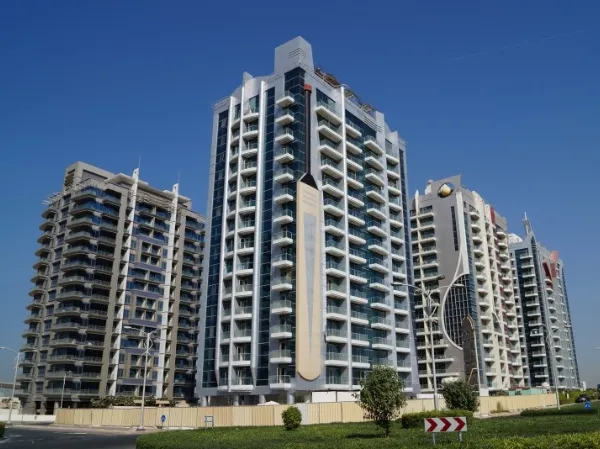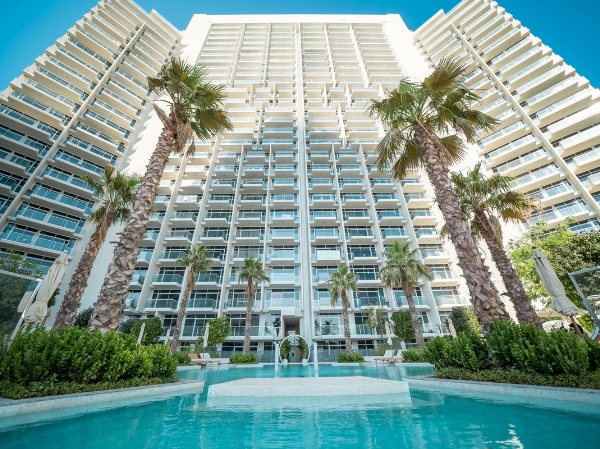
You purchased property in Dubai, and it was a smart decision. Dubai is famous for high rents. Most foreign investors make between 6% and 10% annually. That is above the levels of many other markets across the world.
Thousands of property owners living abroad take care of their Dubai properties every single day. And they do it successfully. Don’t despair – a reliable system, reliable people on the ground, and an understanding of RERA regulations for overseas owners facilitate effective remote management. Now, it’s time to know the details of the process.
Why Dubai Is a Top Choice for Overseas Investors
Before talking about management, it is important to see why so many international buyers choose Dubai.
- First, there is zero income tax on rental earnings for non-residents. What you earn is what you keep. This is a big advantage.
- Second, foreign buyers can own 100% of a property in designated freehold areas. You have full ownership rights.
- Dubai also has a strong legal system for real estate. The Real Estate Regulatory Agency and the Dubai Land Department oversee the market. This gives investors confidence and legal protection.
- Rental yields are also attractive. Many properties offer higher returns compared to parts of Europe and the US. This makes Dubai appealing to income-focused investors.
- Finally, it is easy to send your rental income back to your home country. The process is simple and clear.
All these reasons make Dubai a strong long-term investment choice. Even if you manage it from abroad.
Step 1: Understand the Legal Framework First
The first thing every remote landlord with a Dubai rental property must do is understand the legal basics. Skipping this step is where most overseas investors run into problems.
RERA and DLD Compliance
In Dubai, all rental matters are controlled by the Real Estate Regulatory Agency, also known as RERA. Every rental contract must be registered through Ejari. Ejari is the official online system for tenancy agreements. If a contract is not registered there, it is not legally valid in Dubai.
If you appoint a property manager or legal representative, you must set up a Power of Attorney (POA). This document is very important. It allows someone to act on your behalf in the UAE.
Without a valid POA, no one can sign contracts for you. They cannot renew leases. They cannot represent you in legal disputes.
Setting Up a Power of Attorney
A power of attorney for Dubai property management allows a trusted person or your property management company to act on your behalf legally. You can set this up:
- At a UAE Embassy or consulate in your home country (most common for overseas landlords)
- Through a UAE notary, if you visit Dubai
- The POA must be notarized and attested before it is valid in the UAE
Step 2: Hire a RERA-Registered Property Manager
This is the most important decision you will make as an overseas landlord. A professional, RERA-registered property manager in Dubai acts as your eyes and ears on the ground. They handle everything from finding tenants to maintenance calls at midnight.
What a Good Property Manager Does for You
A good property manager makes your life much easier. Especially when you live in another country. They handle the day-to-day work, so you do not have to worry.
- First, they find the right tenant. They check background details. They verify employment. They review rental history. This helps reduce risk.
- They also handle Ejari registration. Your tenancy contract is set up legally. You do not need to be physically present in Dubai.
- The rent of properties in Dubai is handled smoothly. The rent can go directly into your UAE bank account. It can also be transferred abroad if needed.
- Maintenance issues are taken care of. They coordinate with reliable contractors. Costs are shared clearly. No hidden surprises.
- When it is time to renew the lease, they manage the process. They negotiate professionally. Everything is done within RERA rules.
If a tenant stops paying or creates problems, your manager steps in. They handle the legal process. They protect your interests.
How to Choose the Right Company
When selecting the top property management companies in Dubai, consider:
- Licensed by RERA and registered with the Dubai Economy
- Background experience of working with non-resident landlords mainly
- Transparent fee structures – the average property management rate for expats in Dubai is between 5% and 10% of annual rent.
- Digital reporting and online dashboards that will allow you to track performance remotely
- Excellent feedback from 100% genuine international customers
You do not need to search metro find a trusted agency. Apex Skyline has been dealing with the real estate market of Dubai for years and know gain trust due to ur transparency and genuine results.
Step 3: Sort Out Your Finances Remotely
Managing money across borders is one of the biggest concerns for any overseas property investor in Dubai. Here is how to handle it cleanly and efficiently.
Opening a UAE Bank Account
Having a UAE-based bank account makes everything easier. Rental income lands locally, service charges are paid from it, and you avoid expensive international transfer fees every month. Some banks like Emirates NBD and Mashreq offer non-resident account options, though requirements change, so check directly with the bank.
Repatriating Rental Income
One of Dubai’s biggest advantages is the ease of rental income repatriation from Dubai to overseas. The UAE has no restrictions on transferring money abroad. You can use:
- Direct bank-to-bank international transfers
- Wise (formerly TransferWise) for low-fee currency conversion
- Your property manager may also offer direct payment in your preferred currency
Service Charges and Running Costs
Do not overlook annual service charges, insurance, and maintenance costs. Your property manager can pay these on your behalf from your UAE account. Always ask for itemized invoices and monthly financial reports — a good manager will provide these automatically.
Step 4: Use Technology to Stay in Control
Modern technology makes remote landlord Dubai rental property management far easier than it was even five years ago. The right tools give you full visibility and control without being in the same timezone.
Property Management Apps and Dashboards
The best property management apps for Dubai landlords allow you to:
- View rent payment history in real time
- Approve maintenance requests with a tap
- Access digital copies of your Ejari contract and tenancy documents
- Chat directly with your manager and tenant (if needed)
Step 5: Choose Between Long-Term and Short-Term Rental
One key decision every remote landlord must make: do you want a long-term tenant or do you want to run a short-term rental (holiday home)?
Long-Term Rental
A long-term tenancy, typically one year, renewed annually, is the easier option for overseas landlords. You have one tenant, one contract, predictable income, and far less management complexity. This works especially well if you have a trusted property manager handling the day-to-day.
Short-Term Rental
Short-term rentals can earn you more money. Many owners like them for this reason. But they also need more work and attention. Your property must also meet certain rules. There are safety standards to follow. There are basic amenities you must provide. Once everything is in place, you can operate with peace of mind.
Step 6: Handle Tenant Issues From Abroad
Tenant problems do not wait for convenient times. Late rent, property damage, and early termination requests happen. Here is how to handle them remotely.
Late or Missed Rent
In Dubai, tenancy law is clear. If a tenant misses rent, your property manager can serve a formal notice through the Rental Dispute Settlement Centre (RDSC). The process is structured, and landlord rights are well protected under RERA. Your manager handles all of this — you do not need to fly in.
Lease Non-Renewal or Early Exit
If you decide not to renew a tenancy, for example, you want to sell or move back, RERA law requires you to give 12 months’ written notice. Your property manager handles this through the Ejari system.
Step 7: Track Your Investment Performance
Managing a property remotely is not just about dealing with problems; it is about growing your investment. Smart overseas landlords treat their Dubai property like a business.
- Annual rent review: RERA’s rent calculator sets the maximum increase allowed. Your manager should proactively advise you.
- Capital appreciation: track market values in your area annually to know when to hold, sell, or refinance
- Yield analysis: compare your net Dubai rental yield for foreign investors against market benchmarks
Ready to Manage Your Dubai Property the Right Way?
If you live overseas and need a trusted, RERA-registered property manager in Dubai, start with a simple consultation. Contact the team of Apex Skyline and hand over the entire process to our team. No confusion. No complicated process. Just clear advice and a practical plan to manage your property smoothly. Do not leave your Dubai investment to chance!!!!
Frequently Asked Questions
Can I rent out my Dubai property without being in the UAE?
Yes, you can. You do not need to live in Dubai. Many owners manage their property from abroad. You just need a valid Power of Attorney.
What documents do I need as a non-resident?
You will need a copy of your title deed. You will need a valid passport copy. If you appoint a manager, you need a notarized Power of Attorney.
How do I register an Ejari contract without being in Dubai?
You do not need to be present. Your RERA-registered manager can do it online for you. They will use your Power of Attorney to complete the process.
How do I transfer my rental income to my home country?
The UAE allows international money transfers. You can send money from your UAE bank account through a normal bank transfer.
What if my tenant stops paying rent while I am abroad?
Your property manager will handle it. They follow the legal process through the Rental Dispute Settlement Centre in Dubai.