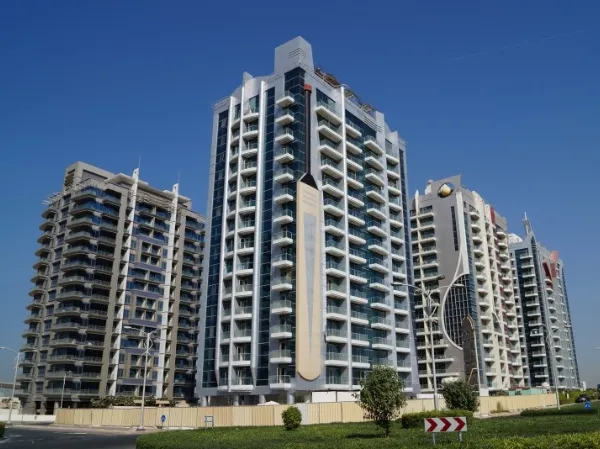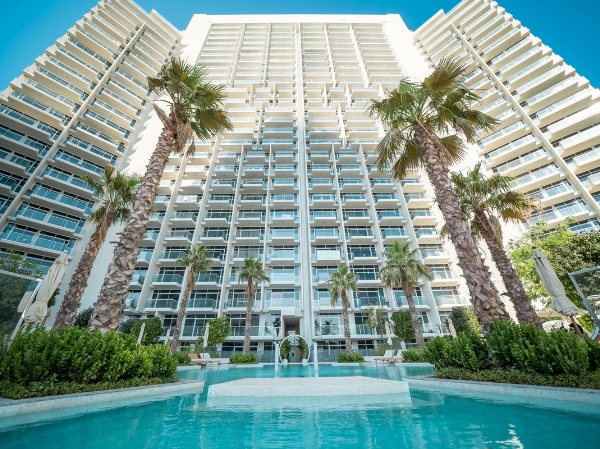
You own a property in Dubai or Abu Dhabi. Its value has grown significantly. But your money is locked inside those four walls and you need it now.
You do not have to sell to access it.
Equity release in the UAE lets you unlock cash from your property while you continue to own it. This guide explains exactly what it is, how it works, who qualifies, and how to get started.
What Is Equity Release in the UAE?
Equity release is a financing option that lets property owners borrow money against the current market value of their home or investment property — without selling it.
In simple terms: your property holds value. You borrow against that value. You keep the property.
In the UAE, banks and lenders commonly call this a loan against property or a buyout plus equity arrangement. The terms mean the same thing. You use your property as collateral, and the lender gives you a lump sum based on how much your property is worth today.
This is not a personal loan. It is a secured loan, which means lower interest rates and longer repayment terms.
How Does Equity Release Work in the UAE?
Here is a straightforward breakdown of the process:
Step 1: Property Valuation
A bank-approved third party visits your property and assesses its current market value. This figure becomes the baseline for your loan.
Step 2: Equity Calculation
Your equity is the difference between your property’s value and any outstanding mortgage you still owe.
Example: Property worth AED 2,000,000 — Mortgage balance AED 600,000 = AED 1,400,000 in equity.
Step 3: Loan-to-Value (LTV) Assessment
UAE banks do not lend you 100% of your equity. They follow Central Bank guidelines:
- UAE nationals: Up to 85% LTV
- Expat residents: Up to 80% LTV
- Non-residents: Up to 60–75% LTV (varies by lender)
So if you have AED 1,400,000 in equity and qualify for 80% LTV, you can access up to AED 1,120,000 in cash.
Step 4: Eligibility and Income Check
The lender checks your income, credit score, and debt burden ratio (DBR). UAE regulations require that your total monthly debt repayments do not exceed 50% of your gross monthly income.
Step 5: Loan Approval and Disbursement
Once approved, funds are released — usually within 6 to 8 weeks. Some lenders release funds in as little as 2 to 3 weeks if all documents are in order.
Two Main Types of Equity Release in the UAE
1. Pure Equity Release (Unencumbered Property)
If you own your property outright — with no mortgage — you can place a new mortgage against it to release cash. This is the most straightforward option.
2. Buyout Plus Equity (Existing Mortgage)
If you still have a mortgage, you can refinance it with a new lender and borrow more than the current balance. The extra amount is your released equity. This is also called cash-out refinancing.
Both UAE nationals and expats are eligible to apply. Most lenders follow these key criteria:
- Age: You must be at least 21 years old. The loan should be settled by age 65 for salaried expats. Self-employed individuals or UAE nationals often have until age 70.
- Property Type: The home must be completed. It must be a freehold property with a clear title deed.
- Income: Lenders need proof of steady earnings. This includes salary, business income, or rental returns.
- Credit Score: A healthy credit history is vital. It significantly boosts your chances of approval.
- Debt Ratio (DBR): Total monthly debts should not exceed 50% of your gross income.
- Loan Tenure: You can get a term up to 25 years. This depends on your age and the specific bank.
What about non-residents? You can still qualify even if you don’t live in the UAE. However, the loan-to-value (LTV) limits are usually lower. Fewer banks offer these deals. In this case, it helps to use an experienced broker.
What Can You Use the Money For?
Equity release funds in the UAE are flexible. Property owners typically use them for:
- Buying a second property — the most common use case in Dubai and Abu Dhabi
- Home renovation or extensions — increases your property’s resale value
- Business investment or expansion
- Paying off high-interest personal loans or credit card debt
- Children’s education fees
- Personal expenses or lifestyle needs
One important note: some UAE banks require the funds to go directly to a vendor or contractor for property-related purposes. Always confirm this with your chosen lender before applying.
Key Benefits of Equity Release in the UAE
1. You keep your property
You access the cash value of your property without giving up ownership. Your asset continues to appreciate in value.
2. No capital gains tax
The UAE has no capital gains tax. This makes equity release more financially efficient than in most other countries.
3. Tax-Free Funds
The money you receive is yours to keep. There are no taxes on these funds in the UAE. You get the full amount without the government taking a cut.
4. Lower Interest Rates
Equity release is cheaper than a personal loan. The bank uses your property as security. This reduces their risk. In return, you get much lower interest rates.
5. Long Repayment Terms
You can spread the cost over a long time. Many lenders offer terms up to 25 years. This keeps your monthly payments small and manageable. It helps your cash flow stay healthy.
6. Built for Expats and Investors
The UAE market is very open. Non-residents can access equity release just like locals. This applies to all freehold properties. It is a great tool for international property owners.
What Are the Risks You Should Know?
Equity release is a powerful financial tool. But it comes with real risks:
- Your property is collateral. If you miss repayments, the lender can legally take possession of your property.
- Interest compounds. Over a long tenure, the total interest paid can be substantial. Always calculate the full cost of the loan, not just the monthly payment.
- It reduces your estate value. If inheritance matters to you, releasing equity reduces what you leave behind.
- DBR limits can restrict the amount. Even if your property holds high equity, your income determines how much you can actually borrow.
Speak to a qualified mortgage advisor before committing. Compare at least three lenders to find the best rates and terms.
Equity Release vs Selling Your Property — Which Makes More Sense?
Many property owners in the UAE face this exact dilemma. Here is a quick comparison:
| Factor | Equity Release | Selling |
| Keep your property? | Yes | No |
| Capital gains tax? | None | None |
| Access cash quickly? | 2–8 weeks | Months |
| Continue earning rental income? | Yes | No |
| Property value appreciation? | Still yours | Lost |
| Full liquidity? | Partial only | Full |
If your goal is to raise a specific amount of cash — for a new investment, renovation, or business — equity release is often the smarter move. You keep an appreciating asset and access the capital you need at the same time.
Current Market Context: Why More UAE Owners Are Choosing Equity Release
Dubai’s property market recorded a 34% rise in equity release transactions in 2024 alone. As property values across Dubai and Abu Dhabi continue to rise, with Dubai seeing 19% year-on-year growth in mortgage transaction values, more homeowners realise they are sitting on significant unlocked wealth.
Property prices in key areas have doubled since 2020. If you bought a property four or five years ago, your equity today could fund an entirely new investment without touching your savings.
This is not just a trend for retirees. Working professionals, business owners, and investors across the UAE are using equity release to move capital from property into higher-yield opportunities.
Ready to Find Out How Much You Can Access?
Your property holds value. You do not have to wait until you sell it to use that value. Whether you want to buy a second property, fund a renovation, or move capital into a better investment, equity release in the UAE gives you a clear, structured path to do it, without losing ownership.
Talk to the team at Apex Skyline. We help property owners across Dubai and Abu Dhabi understand their options, compare lenders, and make informed decisions. No pressure. Just clarity!!!
Unlock Your Property’s Cash Potential
Discover how much equity you can access with a free consultation today.
Frequently Asked Questions
Can a non-resident access equity release on a Dubai property?
Yes. Non-residents can apply, though LTV limits are typically 60–75% and fewer lenders offer this product. A specialist broker helps navigate this effectively.
How long does the equity release process take in the UAE?
On average, 6 to 8 weeks from application to fund disbursement. Some cases are complete in 2 to 3 weeks when all documents are ready.
Does equity release affect my existing mortgage?
If you already have a mortgage, you will go through a buyout-plus-equity process — your existing mortgage is settled and replaced with a new one at a higher loan amount.
What is the minimum property value for equity release in the UAE?
This varies by lender. Most UAE banks consider properties valued at AED 1,000,000 and above. For high-value equity release deals (above AED 3–5 million), specialist lenders are more suitable.
Is the money I receive through equity release taxable?
No. The UAE does not tax equity release proceeds. The funds are entirely tax-free.